

The process of filing a PTSD claim can feel incredibly isolating. You’re dealing with the personal effects of trauma while trying to work with a complex government system. It’s a battle that’s hard to explain to people who haven’t been through it. That’s why support from fellow veterans is so powerful. At Veterans Educating Veterans, our coaches have been in your shoes. They were once clients who successfully got their own claims approved and are now dedicated to helping others do the same. The best va claim assistance for ptsd comes from people who truly get it, providing guidance rooted in shared experience and genuine understanding.
Key Takeaways
- Prove the three essential elements of your claim: A successful PTSD claim requires you to clearly show the VA three things: a current diagnosis, a specific traumatic event from your service, and a medical opinion connecting the two.
- Build your case with consistent, organized evidence: Your personal story is powerful, but the VA needs documentation. Gather your service records, medical files, and personal statements, ensuring they all tell a consistent story about how your symptoms affect your daily life.
- Think strategically about your entire health picture: Don’t overlook secondary conditions like migraines or sleep apnea that are linked to your PTSD, as they are vital for an accurate rating. Remember that a denial is an opportunity to strengthen your case, not the final word.
What Is PTSD and How Does It Affect Veterans?
Need veteran-to-veteran guidance on a PTSD VA claim? Learn how Veterans Educating Veterans coaches you through the process.
If you’re a veteran living with the aftereffects of trauma, you’re not alone. Post-traumatic stress disorder, or PTSD, is a condition that affects many service members. Understanding what PTSD is and how the VA views it is the first step toward getting the disability benefits you’ve earned. It’s about connecting your experiences in the military to your current symptoms in a way that the VA can understand. This process can feel overwhelming, but with the right knowledge and support, you can present a clear and compelling claim.
How Military Service Can Lead to PTSD
Post-traumatic stress disorder can develop after you experience or witness a traumatic event. Military service, by its very nature, can expose you to a range of these events, including combat, personal assault, or other life-threatening situations. The VA refers to these incidents as “stressors.” If you have PTSD resulting from a traumatic event during your service, you could be eligible for disability compensation for PTSD in the form of tax-free monthly payments. The key is to clearly establish the connection between your service and your current condition, which is a core part of building a successful claim.
Key PTSD Symptoms the VA Recognizes
The symptoms of PTSD can look different for everyone, but the VA looks for several key symptoms when evaluating a claim. These often fall into a few main categories: intrusive memories like flashbacks or nightmares, avoiding reminders of the trauma, negative changes in your thoughts and mood, and feeling on edge or more reactive than usual. It’s important to remember that other life challenges can cause similar feelings. That’s why getting a formal diagnosis from a trained medical professional is so critical. A doctor can properly evaluate your symptoms to determine if you have PTSD, which is a necessary step for your VA claim.
Are You Eligible for a PTSD Claim?
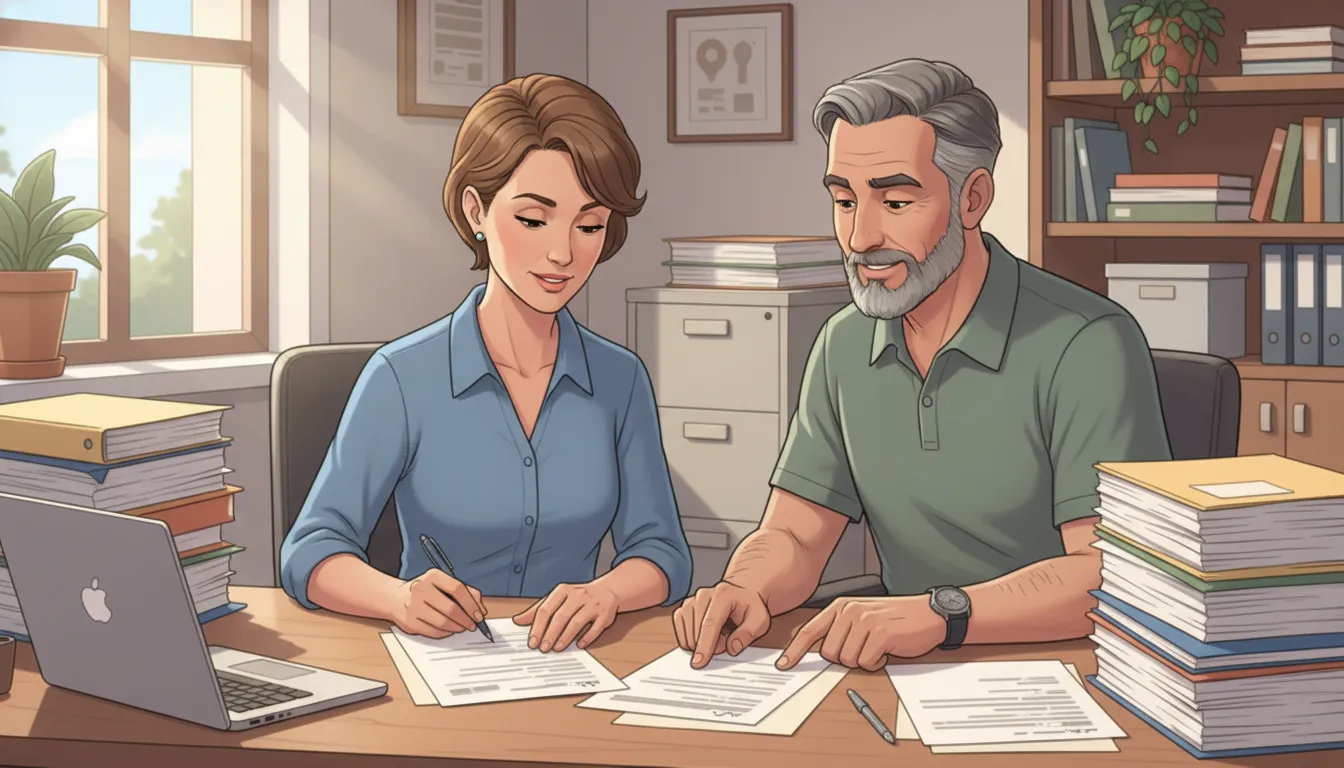
Figuring out if you qualify for a PTSD claim can feel like one of the most confusing parts of the VA process. You know what you went through, and you know how it affects you every day. But how do you translate that experience into a successful claim? The good news is that it’s not a mystery. The VA has a clear set of criteria it uses to evaluate every PTSD claim. Understanding these requirements is the first and most important step toward getting the benefits you deserve.
Think of it like building a case. You need to present the right pieces of evidence in the right way to show the VA how your service is connected to your current condition. It’s about more than just having symptoms or a diagnosis; it’s about drawing a clear line from a specific event in your military past to your health in the present. Many veterans get stuck here, not because their claim isn’t valid, but because they don’t know exactly what the VA is looking for. Let’s break down what you need to prove, what kind of events count, and some common myths that can trip people up.
The 3 Things You Must Prove to the VA
For the VA to approve your claim, you need to provide evidence for three specific things. First, you must show that a traumatic event, which the VA calls a “stressor,” happened during your service. Second, you need a current diagnosis of PTSD from a qualified medical professional. Finally, you have to establish a medical link, or “nexus,” that connects your diagnosis directly to the in-service stressor. Proving these three elements is the foundation of a successful claim for disability compensation for PTSD. Without all three, the VA is likely to deny your claim, so gathering the right proof for each is critical.
What Qualifies as a “Stressor Event”?
When veterans hear “stressor,” many immediately think of combat, but the VA’s definition is much broader. A qualifying stressor event can be any traumatic experience you had during your service. This includes fearing hostile military or terrorist activity, but it also covers non-combat events. For example, personal assaults, military sexual trauma (MST), serious car accidents, training incidents, or even witnessing a fellow service member’s death or serious injury can all be considered stressor events. The key is that the event was traumatic for you and occurred while you were in the military. Don’t discount your experience just because it didn’t happen on the battlefield.
Common Myths About PTSD Eligibility
A few common misconceptions can get in the way of a successful claim. One major myth is that having PTSD symptoms is enough to get a diagnosis and an approved claim. While symptoms are important, they can also be caused by other factors like financial stress or different health issues. That’s why a thorough evaluation by a trained professional is essential to confirm a PTSD diagnosis. Another point of confusion is co-occurring conditions. It’s very common for veterans with PTSD to also have depression, anxiety, or substance use issues. These don’t disqualify your claim; in fact, they can sometimes be claimed as secondary conditions.
What Paperwork Do You Need for a PTSD Claim?
Building a strong VA claim for PTSD is all about providing the right evidence. It might seem like a mountain of paperwork, but don’t let it intimidate you. Think of it as building a case file where each document tells a piece of your story. Getting your paperwork organized is one of the most powerful steps you can take to clearly communicate your situation to the VA. Let’s walk through exactly what you need, piece by piece, so you can feel confident as you move forward.
Service Records and VA Form 21-0781
First up is the official paperwork to get your claim started. You’ll need your service records, which establish the timeline and context of your military career. The key document here is the VA Form 21-0781, titled Statement in Support of Claim for Service Connection for Post-Traumatic Stress Disorder. This form is your dedicated space to describe the in-service traumatic event, or “stressor,” that you believe led to your PTSD. It’s a critical first step in formally connecting your current condition to your time in the military, so take your time and be as clear as you can.
Medical and Mental Health Records
Your personal account is essential, and backing it up with professional medical evidence makes your claim even stronger. You’ll need to include records from any doctors or therapists who have treated you. For a PTSD claim, the VA requires a diagnosis from a qualified medical professional who can confirm that your symptoms meet the clinical criteria. These VA benefits and claims documents are not just paperwork; they are the professional validation of what you’re going through. They provide the VA with objective data that supports the personal experiences you share in your other statements.
Personal Statements and Buddy Letters
This is where you add the human element to your claim. A personal statement, or a “Statement in Support of Claim,” is your opportunity to tell your story in your own words. You can describe the stressor event, how your symptoms affect your daily life, and the overall impact on your well-being. Additionally, you can include “buddy letters” from people who knew you during or after your service. These can be from fellow service members, friends, or family who can provide firsthand accounts of the changes they’ve observed in you. These personal testimonies can be incredibly powerful in painting a complete picture for the VA.
What Is a Nexus Letter and How Do You Get One?
A Nexus Letter is a strong piece of medical evidence written by a qualified professional that draws a clear line between your PTSD and your military service. The word “nexus” simply means a connection. This letter explicitly states that it is “at least as likely as not” that your condition was caused or aggravated by your in-service stressor. While not always required for an initial claim, a Nexus Letter can be especially crucial for complex cases or if your claim has been previously denied. Understanding how to obtain a compelling Nexus Letter is a strategic part of building a successful claim.
How to File Your PTSD Claim, Step-by-Step
Filing a VA claim for PTSD can feel like a monumental task, but breaking it down into clear, manageable steps makes it much more approachable. Think of it as a mission: your objective is to clearly show the VA how your service is connected to your current condition. It’s about preparation, execution, and follow-through. Many of us at VEV have walked this exact path, and we know that having a solid plan is the first step toward getting the recognition you deserve. Let’s walk through the process together.
Step 1: Gather and Organize Your Evidence
Before you even think about submitting your claim, your first mission is to gather all the evidence that tells your story. This is the foundation of your entire claim. For PTSD, you’ll need to complete a specific form, the Statement in Support of Claim for Service Connection for Post-Traumatic Stress Disorder (VA Form 21-0781). This is where you’ll provide details about the in-service stressor event. Along with this form, you should collect any relevant service records, medical treatment records (both military and civilian), and personal statements. Organizing everything logically will make it easier for the VA to review and understand your case from the start.
Step 2: Submit Your Claim and What to Expect
Once your evidence is organized, it’s time to officially file your claim with the VA. You can submit your application online, which is often the fastest method. After you hit submit, the waiting game begins. The VA will send a notification confirming they’ve received your claim; this can arrive within a few hours for online submissions or take a couple of weeks if you filed by mail. A representative will then review your file to see if more information is needed. They will begin the evidence-gathering phase, which can feel slow, but it’s a standard part of the VA claim process. Patience is key here, as this stage can take several months.
Step 3: Prepare for Your C&P Exam
A crucial part of the process is the Compensation and Pension (C&P) exam. The VA will schedule this appointment to have a professional evaluate your condition. It’s important to understand that this is not a therapy session or a treatment appointment; it is strictly an evaluation for your claim. The examiner will ask questions about your symptoms and how they affect your daily life. Being honest and open is essential. The examiner’s report is a significant piece of evidence, but the final decision rests with the VA. Preparing for this exam and knowing how to accurately describe your experience is something many veterans find challenging, and it’s a key area where getting guidance can make a real difference.
How Does the VA Rate PTSD?
Once you’ve filed your claim, the next question is often, “How will the VA decide my rating?” The VA rates PTSD based on how much your symptoms affect your ability to function in your work and social life. It’s not about how many traumatic events you experienced, but rather how your current symptoms impact your day-to-day reality. The ratings are given in percentages: 0%, 10%, 30%, 50%, 70%, or 100%.
This rating system can feel complicated, especially when other health conditions are involved. Many veterans we work with at Veterans Educating Veterans felt lost trying to figure this out on their own. They found that having a fellow veteran, someone who has been through the process themselves, explain it in plain language made all the difference. Understanding how the VA assigns a rating is the first step toward ensuring your final rating accurately reflects your condition. It helps you and your doctor provide the right evidence and speak the VA’s language during your C&P exam.
Understanding the VA’s Rating Formula
The VA uses a specific set of criteria to assign a percentage to your PTSD. A 10% rating might mean your symptoms are mild and don’t interfere much with daily life, while a 70% rating indicates significant impairment in most areas, like work, school, and family relationships. A 100% rating means you are totally impaired.
It gets more complex if you have more than one disability. The VA doesn’t simply add your ratings together. For example, a 50% rating for PTSD and a 30% rating for another condition do not equal an 80% total rating. The VA uses a “combined rating” system, which can be confusing. Think of it this way: the VA starts with you at 100% “whole” and applies your highest disability rating first. Then, it applies the next rating to the remaining “healthy” percentage. Our VA Calculator can help you estimate your combined rating.
Claiming Secondary Conditions Linked to PTSD
It’s very common for veterans with PTSD to develop other health issues. The chronic stress from PTSD can take a toll on your entire body, leading to or worsening conditions like hypertension, sleep apnea, migraines, or digestive problems like GERD. These are known as “secondary conditions.” If you can prove that another condition was caused or aggravated by your service-connected PTSD, you can claim it as a secondary disability.
This is a critical part of building a complete claim, and it’s something that often gets overlooked. Documenting the link between your PTSD and other health problems is essential. For many veterans, these secondary conditions are just as debilitating as the PTSD itself. Successfully connecting them to your primary condition can significantly increase your overall disability rating and ensure you get the full compensation you deserve for all your health challenges.
What a Higher Rating Means for Your Benefits
Your final disability rating directly determines the amount of your monthly tax-free compensation. A higher rating means more financial support for you and your family. But the benefits don’t stop there. A service-connected PTSD rating can be a gateway to a wide range of other VA programs and support.
Depending on your rating, you may become eligible for comprehensive VA health care, educational and training benefits through programs like VR&E, and VA-backed home loans. For veterans whose PTSD is so severe that it prevents them from working, a high rating can be a key part of an application for Total Disability Individual Unemployability (TDIU), which provides compensation at the 100% rate. Securing an accurate rating is about more than just a monthly check; it’s about accessing the full spectrum of disability compensation benefits you earned through your service.
What Makes a PTSD Claim Successful?
A successful PTSD claim is built on a foundation of clear, consistent, and compelling evidence. It’s about more than just having a diagnosis; it’s about showing the VA a direct line from your in-service stressor to your current symptoms and how they impact your daily life. If you have posttraumatic stress from a traumatic event during your military service, you could receive tax-free monthly disability compensation from the VA. Getting your claim approved requires a strategic approach. It means avoiding common pitfalls, ensuring your story is consistent across all your documents, and accounting for any other health conditions connected to your PTSD. Let’s walk through what that looks like.
Avoid These Common Mistakes on Your Claim
One of the biggest mistakes veterans make is assuming a PTSD diagnosis is enough to win a claim. The VA needs to see the connection between your symptoms and your military service. Just having symptoms isn’t always enough, as other life stressors or health problems can cause similar issues. Don’t just list your symptoms; explain how they started after your traumatic event and how they affect your work, relationships, and daily routines. Another common error is submitting disorganized or incomplete evidence. The person reviewing your file has a limited amount of time, so make their job easier by presenting a clear, well-supported case that leaves no questions unanswered.
Why Consistent Statements Are So Important
Think of your claim as a single, cohesive story. Every piece of paper, from your personal statement to your medical records, should tell that same story. The VA’s Compensation and Pension Service decides if your PTSD is service-connected, and they look for consistency. If your buddy letter says your symptoms started right after deployment, but you tell the C&P examiner they began years later, that creates a red flag. This isn’t about being perfect; it’s about being truthful and clear. Before you submit anything, review all your statements to ensure the details align. This simple step shows the VA that your claim is credible and well-documented, which is a key part of the strategy we help veterans develop.
How to File with Co-Occurring Conditions
PTSD rarely exists in a vacuum. It can cause or worsen other health issues like migraines, sleep apnea, or digestive problems. Filing for these as secondary conditions is crucial for getting the full rating you deserve. The VA uses a “combined rating” system, which can be confusing. It doesn’t just add percentages together. Forgetting to claim these connected conditions is a missed opportunity. We guide veterans to look at their health as a whole and identify every condition linked to their service. Using a VA calculator can help you see how these secondary conditions might impact your overall rating, giving you a clearer picture of what your benefits could look like.
What to Do If Your PTSD Claim Is Denied
If your PTSD claim was denied, do not treat that as the final word. Get veteran-led education and strategy before you rebuild your evidence.
Receiving a denial letter for your PTSD claim can feel like a punch to the gut. After everything you’ve been through and the courage it took to file, seeing your claim denied is incredibly frustrating. But I want you to hear this: a denial is not the end of the road. It’s a detour, and it often comes with a map showing you exactly what went wrong. Many veterans have been in your exact position and gone on to get the benefits they earned.
The key is to treat the denial as a starting point for a new strategy. Instead of giving up, you can use the VA’s decision to build a much stronger case. It’s about understanding the system, knowing your options, and moving forward with a clear plan. You have the right to appeal the decision, and with the right approach, you can turn that denial into an approval.
First, Understand Why Your Claim Was Denied
Before you can fix the problem, you need to know what it is. Your VA decision letter is the most important tool you have right now. Read it carefully, from start to finish. The VA is required to explain why they denied your claim, and those reasons are your guide for what to do next. They might say there wasn’t enough medical evidence to connect your PTSD to your service, or that your symptoms didn’t meet the criteria for a certain rating.
Don’t just skim it; try to pinpoint the exact weak spots the VA identified. Was it a missing document? A weak nexus? An issue with the C&P exam? Understanding the “why” behind the denial is the first and most critical step in forming a successful appeal strategy. This information allows you to gather the specific evidence needed to address the VA’s concerns directly.
Know Your Three Main Appeal Options
Once you understand why your claim was denied, you can choose the best path forward. The VA has three main lanes for you to request a decision review. Each one serves a different purpose, so picking the right one is a strategic choice.
- Supplemental Claim: This is your best option if you have new and relevant evidence to submit. For example, if your denial letter said you lacked a current diagnosis, you could submit a new medical report. This path essentially re-opens your claim with fresh information.
- Higher-Level Review: If you believe the VA made a mistake when reviewing your evidence, you can request this. A more senior reviewer will take a fresh look at the same case file you originally submitted. You can’t add new evidence here; it’s purely for catching errors.
- Board Appeal: This option sends your case to a Veterans Law Judge at the Board of Veterans’ Appeals. This is a more formal process and is often the longest path, but it may be the right choice for complex cases.
How to Build a Stronger Case for an Appeal
Building a stronger case is all about strategy. It’s not just about submitting more paperwork; it’s about submitting the right paperwork that directly addresses the VA’s reasons for denial. This is where getting guidance from someone who has successfully been through the process can be a game-changer. They can help you see your claim from the VA’s perspective and identify what’s missing.
This might mean getting a more detailed medical opinion, gathering stronger buddy letters that speak to specific symptoms, or rewriting your personal statement to be more clear and compelling. Many of our coaches at VEV were once clients themselves, so they know firsthand how to overcome a denial. They focus on educating you on the process so you can confidently build a case that leaves no room for doubt.
Where to Find Support for Your PTSD Claim
Filing a VA claim for PTSD can feel like a lonely battle, but you don’t have to go through it alone. Finding the right support system is one of the most important steps you can take, both for your claim and for your own well-being. Support comes in many forms, from educational guidance on the claims process to mental health resources and peer communities. The key is to find the help that fits your specific needs.
Whether you need someone to help you develop a strategy for your claim, a professional to talk to about your experiences, or a community that just gets it, resources are available. This process is about more than just paperwork; it’s about getting the recognition and benefits you earned while also taking care of yourself. Let’s walk through some of the best places to find the support you deserve.
Veterans Educating Veterans
If you’re feeling lost or frustrated with the VA claims process, getting guidance from someone who has successfully been through it can make all the difference. At Veterans Educating Veterans, our entire approach is built on veteran-to-veteran coaching. We’ve been in your shoes, and we know how confusing the system can be. Our team provides the education and strategy you need to feel confident about your claim.
We focus on empowering you with knowledge, not just filling out forms for you. We’ll help you understand what the VA is looking for, how to gather the right evidence, and how to present your case effectively. Many of our coaches were once clients who came to us for help, got their claims approved, and now dedicate themselves to helping other veterans do the same.
VA Mental Health Services and Vet Centers
Taking care of your mental health is a priority, and the VA offers dedicated services to help. Your local VA Medical Center provides a range of mental health care options, including therapy and counseling. In addition to the main VA hospitals, you can also find support at Vet Centers. These are community-based centers that offer free and confidential counseling for combat veterans and those who have experienced military sexual trauma.
Vet Centers are designed to be a more informal and accessible resource, providing a space for you to get information, assessments, and support for military-related issues. These services are available to you and your family, offering a crucial layer of support as you manage the effects of PTSD and navigate your life after service.
The National Center for PTSD
The National Center for PTSD is the VA’s primary hub for research and education on trauma and PTSD. It’s an excellent source of reliable information on treatment options and coping strategies. Their website offers a wealth of resources, including articles, videos, and self-help tools designed specifically for veterans. You can learn about different types of therapy, stress and anger management techniques, and ways to improve sleep and relationships.
While this center doesn’t directly handle claims, the information it provides can be incredibly valuable. Understanding the different facets of PTSD and the available treatment options can help you better articulate your symptoms and experiences, which is a critical part of building a strong VA claim. It’s a great place to educate yourself on the condition from a clinical perspective.
Online Veteran Support Communities
Sometimes, the most powerful support comes from connecting with others who share your experiences. Online communities and forums for veterans can be a great place to find encouragement and a sense of camaraderie. In these groups, you can share your story, listen to others, and realize you aren’t the only one facing these challenges. This kind of peer support can be a lifeline, reducing feelings of isolation that often accompany PTSD.
While these communities are great for emotional support, remember that every VA claim is unique. It’s a good place for encouragement, but for specific guidance on your claim strategy, it’s best to work with someone who understands the nuances of the process. These communities, combined with expert guidance, can create a well-rounded support system to help you through every step of your journey.
Why Do Veterans Choose Veterans Educating Veterans?
You only pay when you get paid. See how the Inner Circle Membership gives veterans education, coaching, and support through the VA claims process.
When you’re dealing with a PTSD claim, the last thing you need is more confusion or feeling like just another number. You need support from people who get it. While there are many resources available, veterans often choose Veterans Educating Veterans because our approach is fundamentally different. We are a team of veterans dedicated to helping our brothers and sisters in arms.
Our entire process is built on two core principles: guidance from those who have been in your shoes and a deep focus on education and strategy. We don’t just want to help you with a single claim; we want to equip you with the knowledge to confidently manage your VA benefits for life. This is about putting the power back in your hands, supported by a team that has your six.
Guidance from Vets Who Have Been There
There’s a unique and powerful connection that comes from speaking with someone who has walked a similar path. At VEV, your guides are fellow veterans who have successfully managed the VA claims process themselves, many of whom were once clients. They know the sleepless nights, the frustration of a denial, and the feeling of being lost in a sea of paperwork because they’ve lived it.
This shared experience creates a level of trust and understanding you won’t find anywhere else. It’s a space where you can speak openly about your service and its impact without having to explain the basics. This kind of peer support is invaluable, especially when discussing something as personal as PTSD. It’s about getting strategic guidance from someone who truly understands your fight.
A Focus on Education and Strategy, Not Just Paperwork
Our name says it all: Veterans Educating Veterans. We believe that knowledge is power. Our mission isn’t to fill out forms for you; it’s to teach you the process so you understand the “why” behind every step. We’ll help you learn what the VA looks for in a PTSD claim, how to gather the most effective medical evidence, and how to build a strategy that presents your case clearly and accurately.
This educational approach empowers you to become your own best advocate. By understanding the system, you can take an active role in your claim and feel confident in the case you submit. Informed veterans are better prepared to secure the benefits they rightfully earned. You can learn more about your rights and available veteran mental health resources directly from the VA.
Related Articles
- What Are the Signs of PTSD in Veterans?
- PTSD VA Disability Rating: What You Need to Know
- How To Service Connect PTSD
- Secondary Conditions To PTSD
- How to Qualify for Disabled Veteran Benefits
Frequently Asked Questions
My traumatic event wasn’t combat-related and isn’t in my service records. Can I still file a PTSD claim? Yes, you absolutely can. The VA understands that many traumatic events, or stressors, are not related to combat and may not have an official paper trail. This is especially true for personal assaults or training accidents. Your own detailed account of the event is a critical piece of evidence. You can support your personal statement with “buddy letters” from fellow service members, family, or friends who can speak to the changes they saw in you after the event occurred. The key is to provide a clear and consistent story about what happened and how it has affected you.
I’m nervous about my C&P exam. How can I accurately explain my symptoms to the examiner? It’s completely normal to feel nervous about the C&P exam. The best way to prepare is to be honest and specific. Before your appointment, it can be helpful to think about or even jot down notes on how your symptoms affect your daily life, your work, and your relationships. Instead of just saying you have anxiety, describe what it feels like: for example, you avoid crowds, you can’t focus at work, or you have trouble sleeping. Remember, this is an evaluation, not a therapy session. The examiner’s goal is to understand the severity of your condition, so providing concrete examples of your daily struggles is the most effective way to communicate your reality.
How do I prove that my other health issues, like migraines or sleep apnea, are connected to my PTSD? This is a great question, as secondary conditions are a huge part of many veterans’ health challenges. To connect another condition to your service-connected PTSD, you need to establish a medical link, often called a “nexus.” This typically requires a medical opinion from a qualified professional who can state that your secondary condition is, at least as likely as not, caused or worsened by your PTSD. Your doctor might point to medical research showing how chronic stress impacts the body or explain the direct link in your specific case. Keeping detailed records of all your symptoms and discussing them with your doctor is the first step in building this connection.
My PTSD claim was denied for ‘lack of evidence.’ What does that really mean and what should I do first? Receiving a denial is tough, but that phrase “lack of evidence” is actually your roadmap. It doesn’t mean your experience isn’t valid; it means the VA felt a specific piece of the puzzle was missing. Your first step is to read your decision letter very carefully. It will explain exactly what evidence was missing. It could be that they needed a stronger medical opinion connecting your PTSD to your service, more detail about how your symptoms impact your employment, or a clearer description of the stressor event. Once you identify the specific gap, you can focus on gathering that exact information to submit with an appeal.
I’ve tried getting help before and felt like just another case file. How is getting guidance from VEV different? We hear this all the time, and it’s the entire reason we exist. The difference is that we are a team of veterans who have been in your shoes. Many of our coaches were once clients who felt just as lost and frustrated as you might feel now. Our process is built on education and strategy, not just paperwork. We work with you to help you understand the system, build your own strong case, and become your own best advocate. It’s a partnership where you get guidance from someone who truly gets it, ensuring you feel heard, supported, and empowered throughout the entire process.